Tickets & Shop: What to Buy First
Buy zone upgrades and More Moves first, then pieces that fit the balls you actually have — and sell anything that doesn't. Everything is recoupable, so bad buys are recoverable, bad builds are not.
Tickets are the demo's quiet currency — you earn them from stages, then turn them into pieces, balls and permanent-ish upgrades at the shop between rounds. Spend them wrong and the ladder walls you; spend them right and the −50% zones stop mattering. Here is the full picture.
How you earn tickets
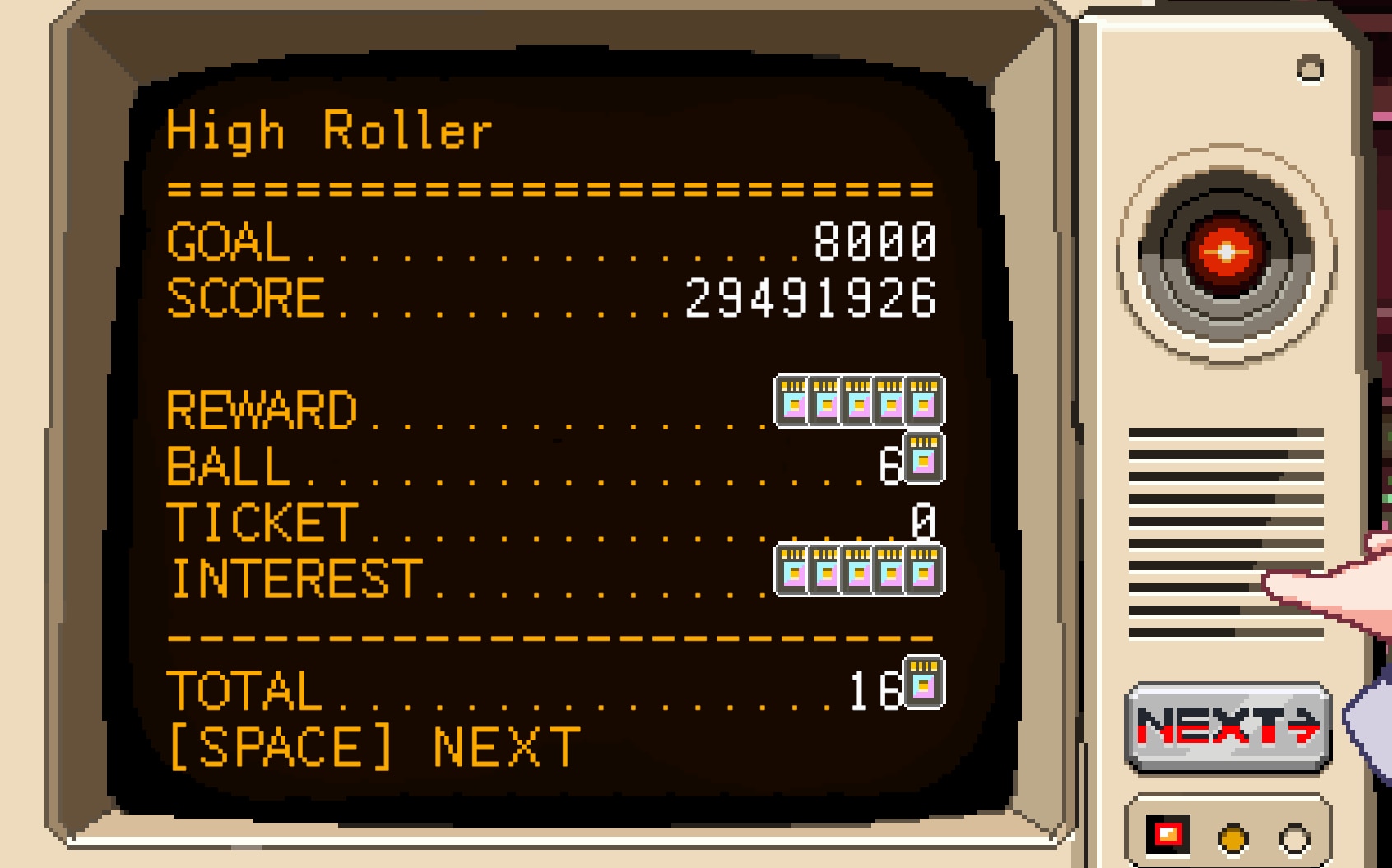
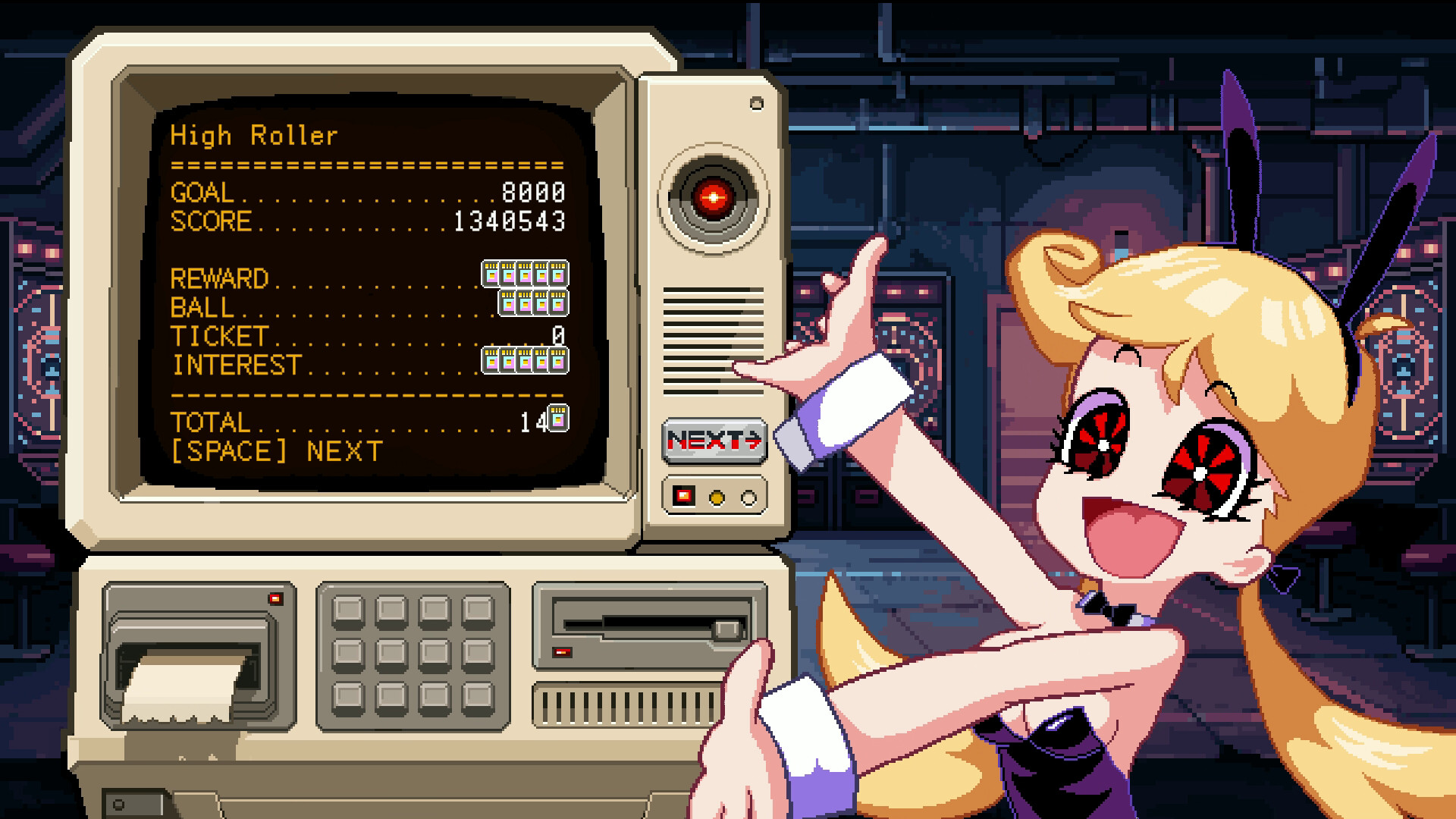
- Stage settlements. The end-of-stage screen pays out in balls, tickets and interest — one screenshot shows a TOTAL of 14 items from a single settlement. Harder stages pay more.
- Overshoot does not farm. Once you clear a stage's goal, the stage ends. Players have asked for a way to keep playing out a hot run for extra chips; nothing has been announced.
- Efficiency pays. Fewer balls spent per cleared goal leaves more resources for the shop.
What is in the shop
| Buy | What it does | Worth it? |
|---|---|---|
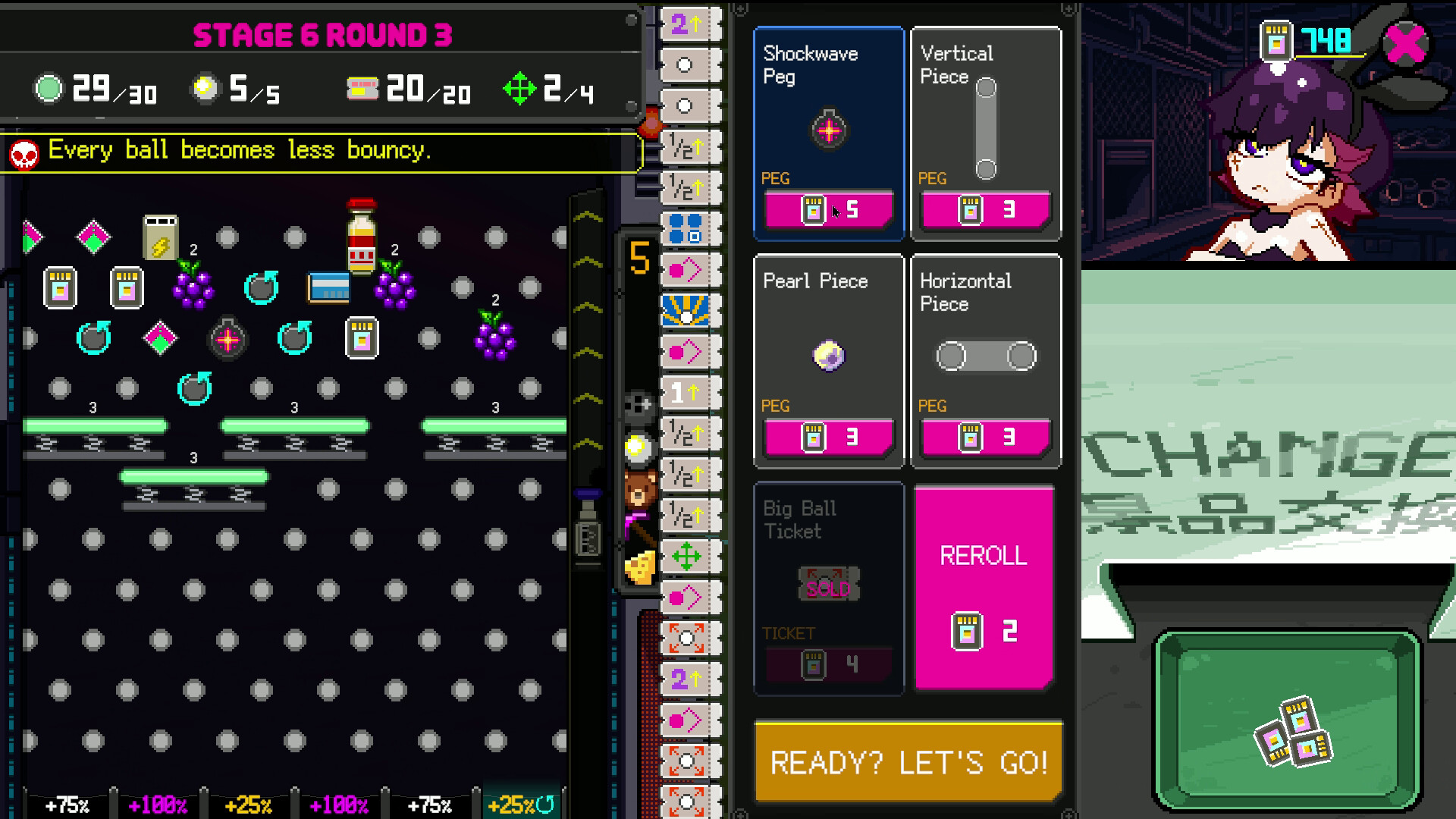
| Pieces (Shockwave Peg, Cloner Peg, Jump Springs, directional pieces) | The actual build materials for your board | Yes — this is your engine |
| Ball upgrades / Big Ball Ticket | Bigger or better balls (a demo shop shows Big Ball Ticket ×4 in stock) | Yes — more score per drop |
| More Moves Ticket | +1 maximum piece moves; after the Sep 29 hotfix it also refills your remaining moves | Yes — placement is the strategy layer |
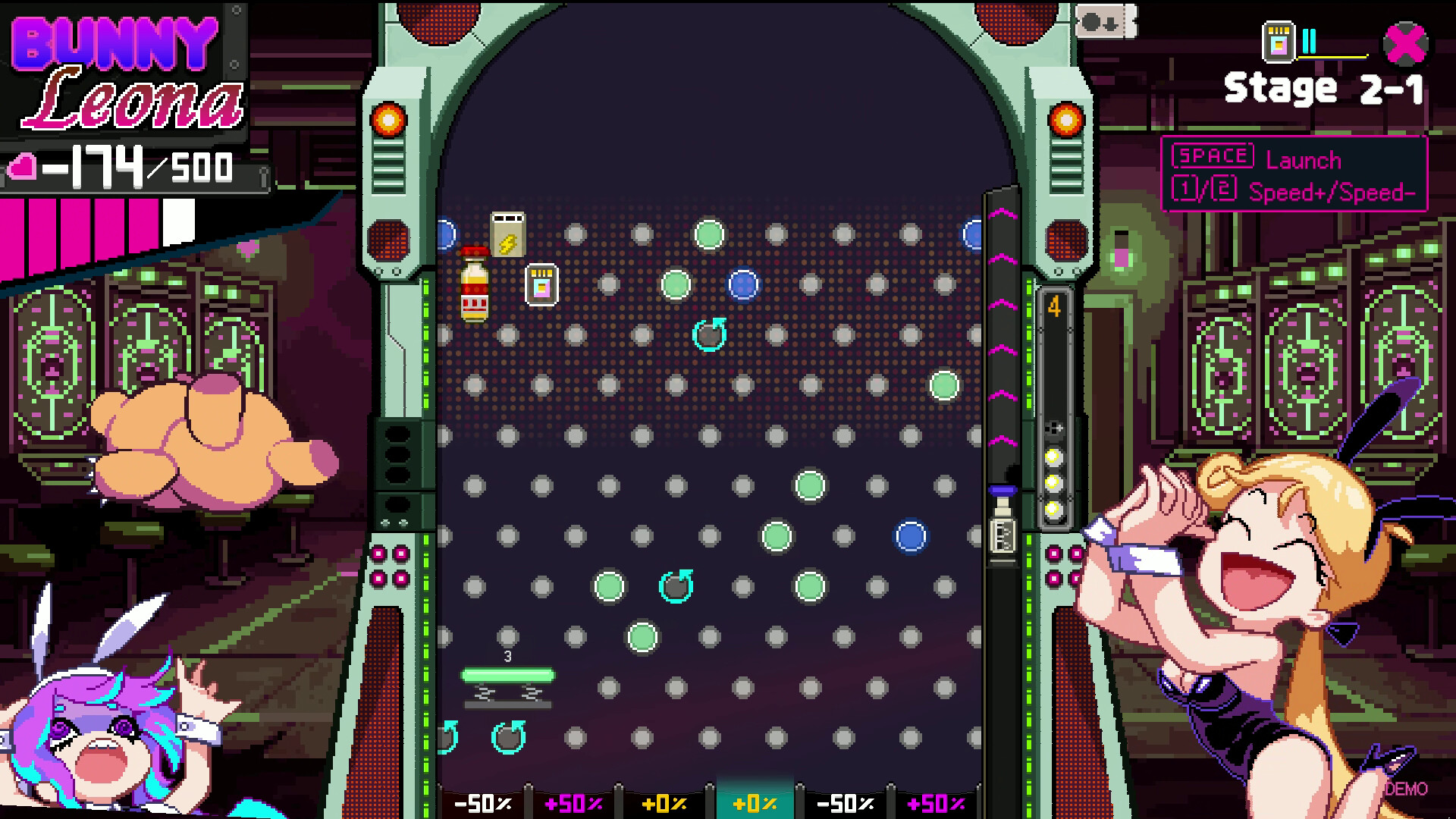
| Zone upgrade tickets | Raise score zone values (e.g. pulling Whites up out of the negative) | The —50% insurance policy; buy on sight |
| Reroll | Refreshes the shop stock (one board shows REROLL ×2) | Situational — for hunting one missing piece |
| 20% shop discount | Permanent-ish discount (one player reported it did not apply immediately — a possible bug) | Buy if it shows up cheap |
Selling: the part everyone forgets
High Roller Penny lets you sell everything you own — tickets, pieces, even balls — and the official description frames it as a designed tension: everything you sell has to be recouped. In practice:
- On a run with no path, liquidate junk — pieces that don't feed your ball type are dead weight.
- Before a boss, convert — selling two mediocre pieces into one strong pick beats a full but incoherent board.
- Remember that tickets are sellable too — a discount ticket you bought at the wrong time is not a loss, it is stock.
The economy mindset
This is a debtors' casino: the shop exists to let you build an engine, and the game is balanced around you being able to dig out with smart trades. When a run feels impossible, the answer is usually "sell into the synergy" — not "get luckier".
Related pages
- Score zones & quotas — why zone tickets matter so much
- Pegs & pieces — what to spend the shop on
- Demo FAQ — the bugs and limits to expect